
English teacher Sarah Haskett and her love for Women’s Studies
By KAYLEIGH ROWE
The Tower
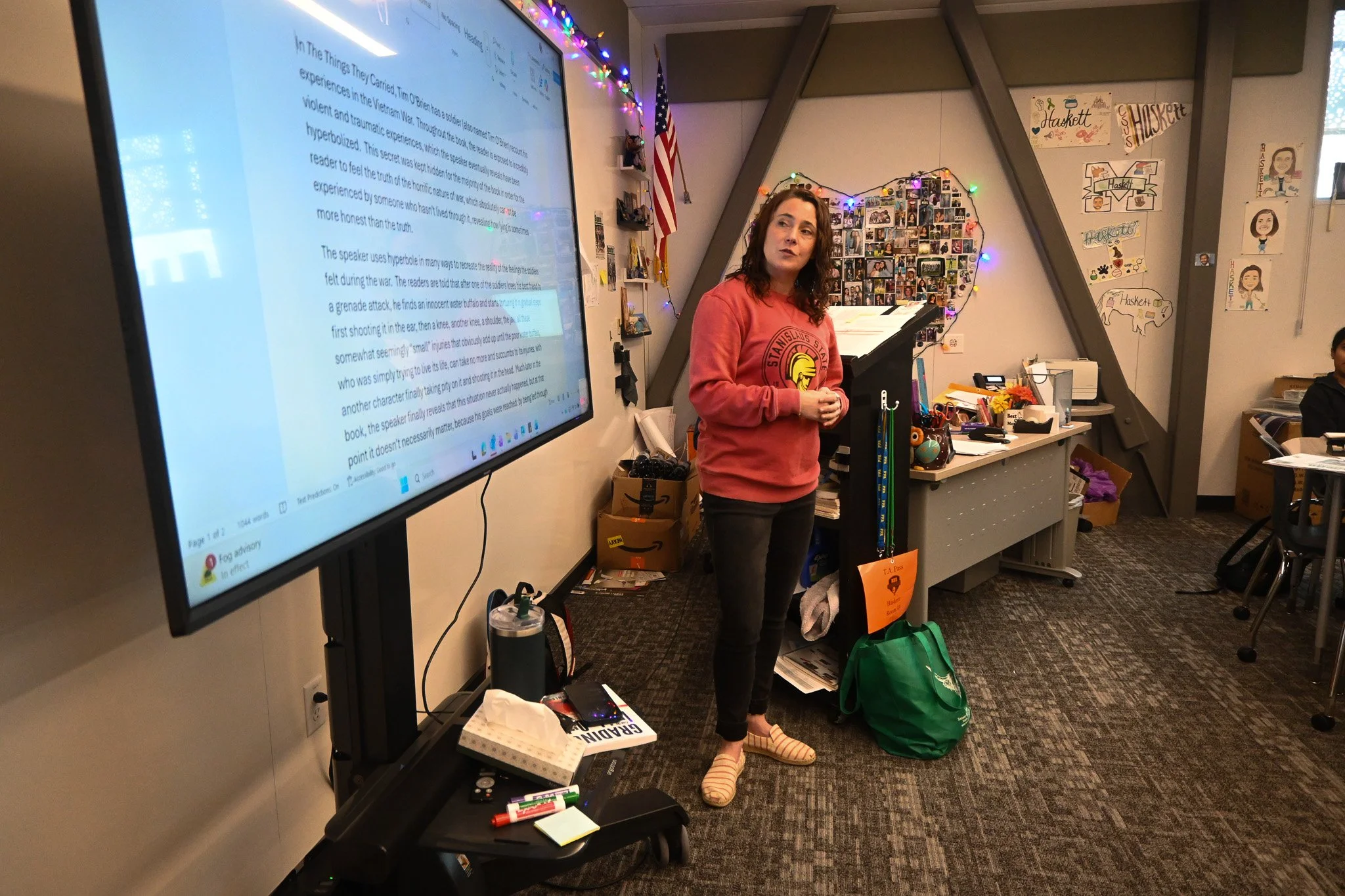
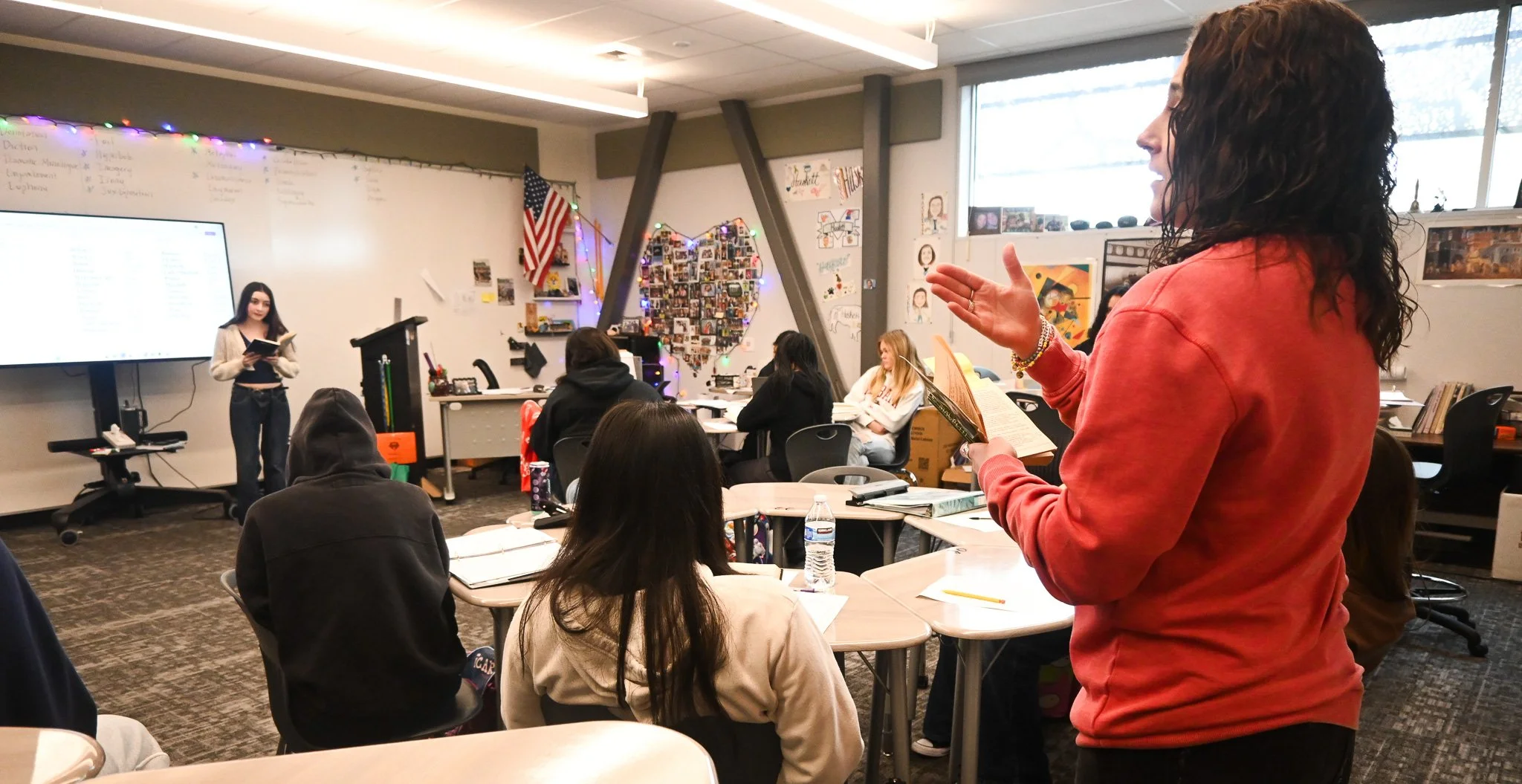
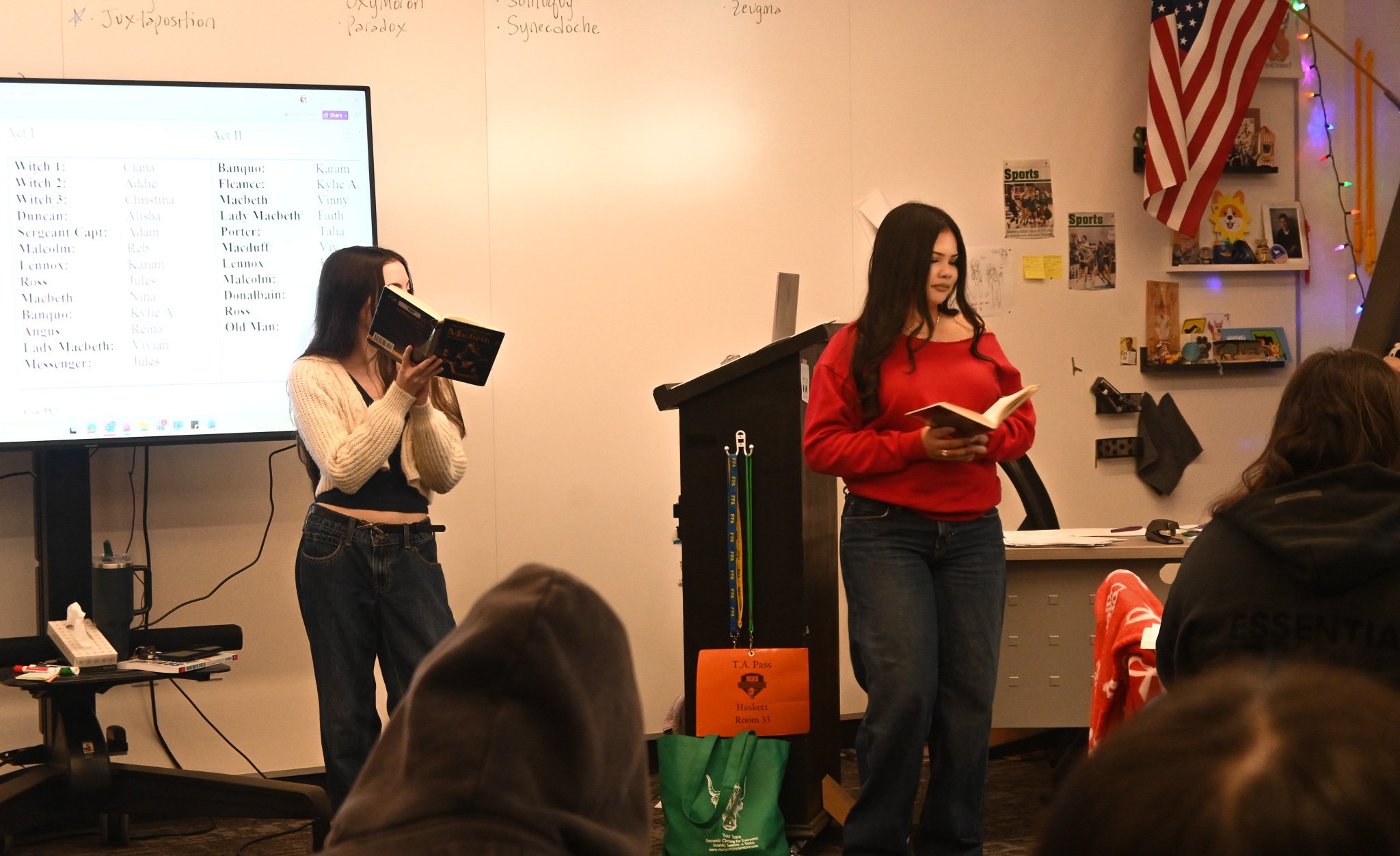
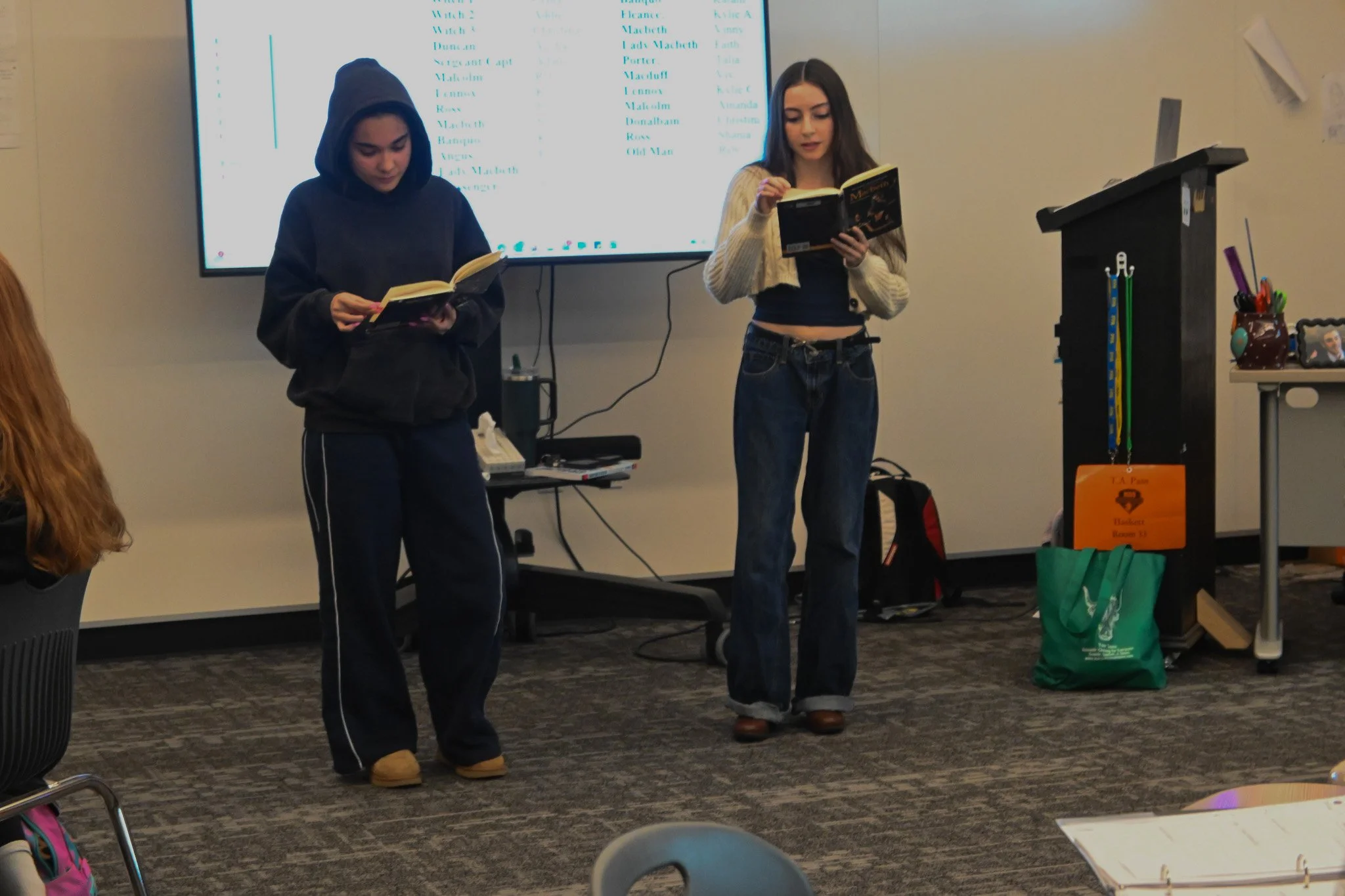
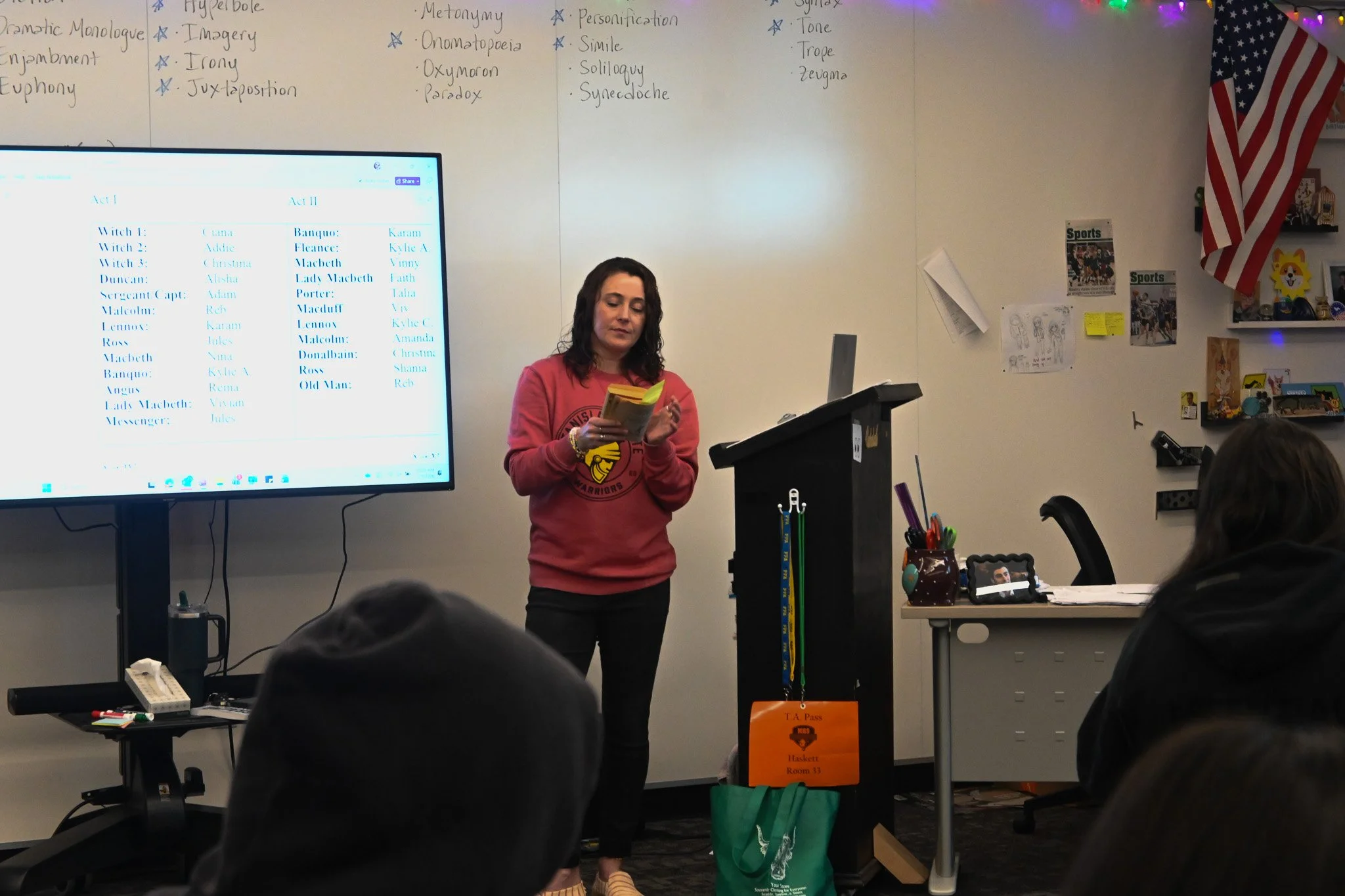
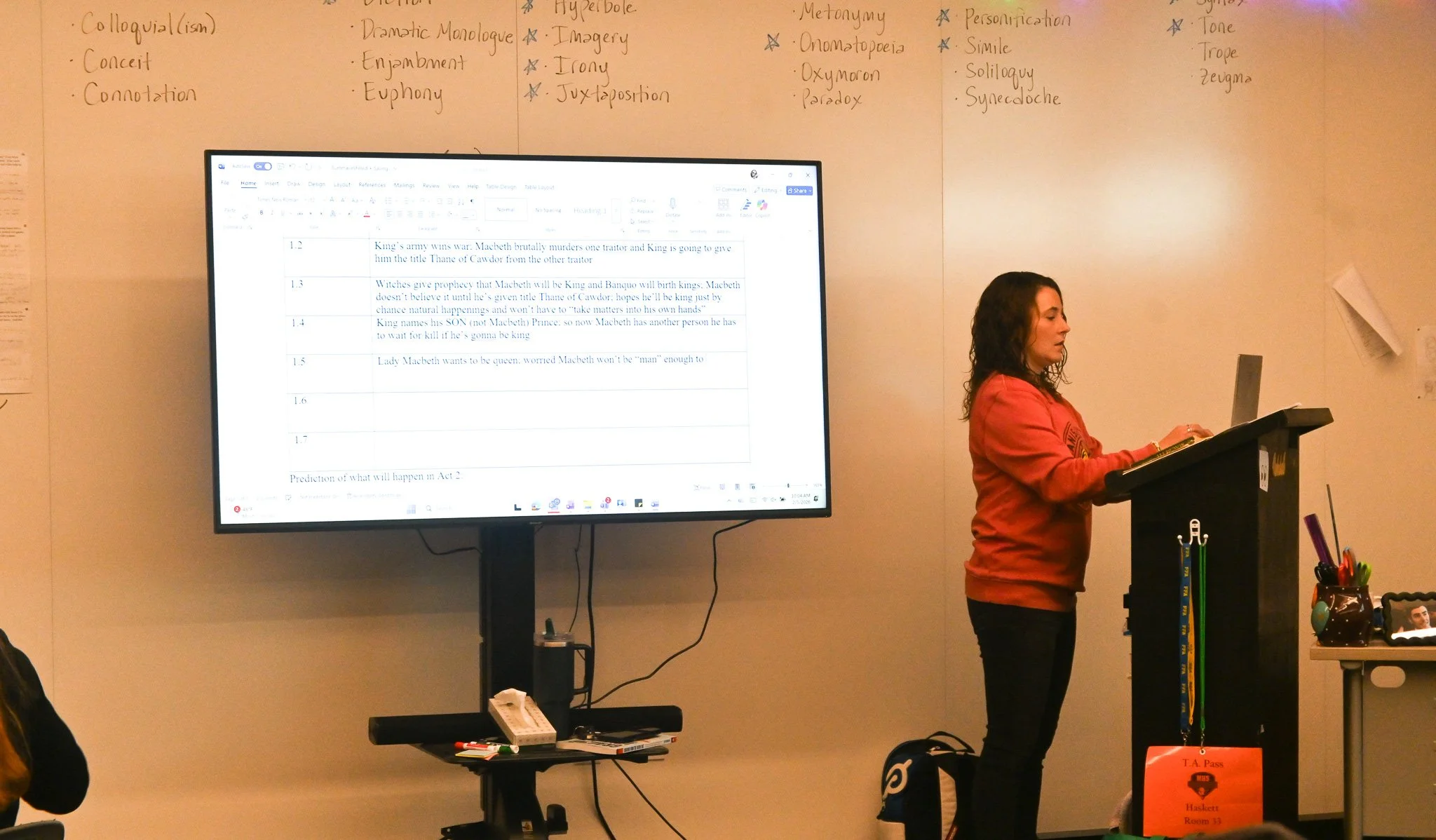
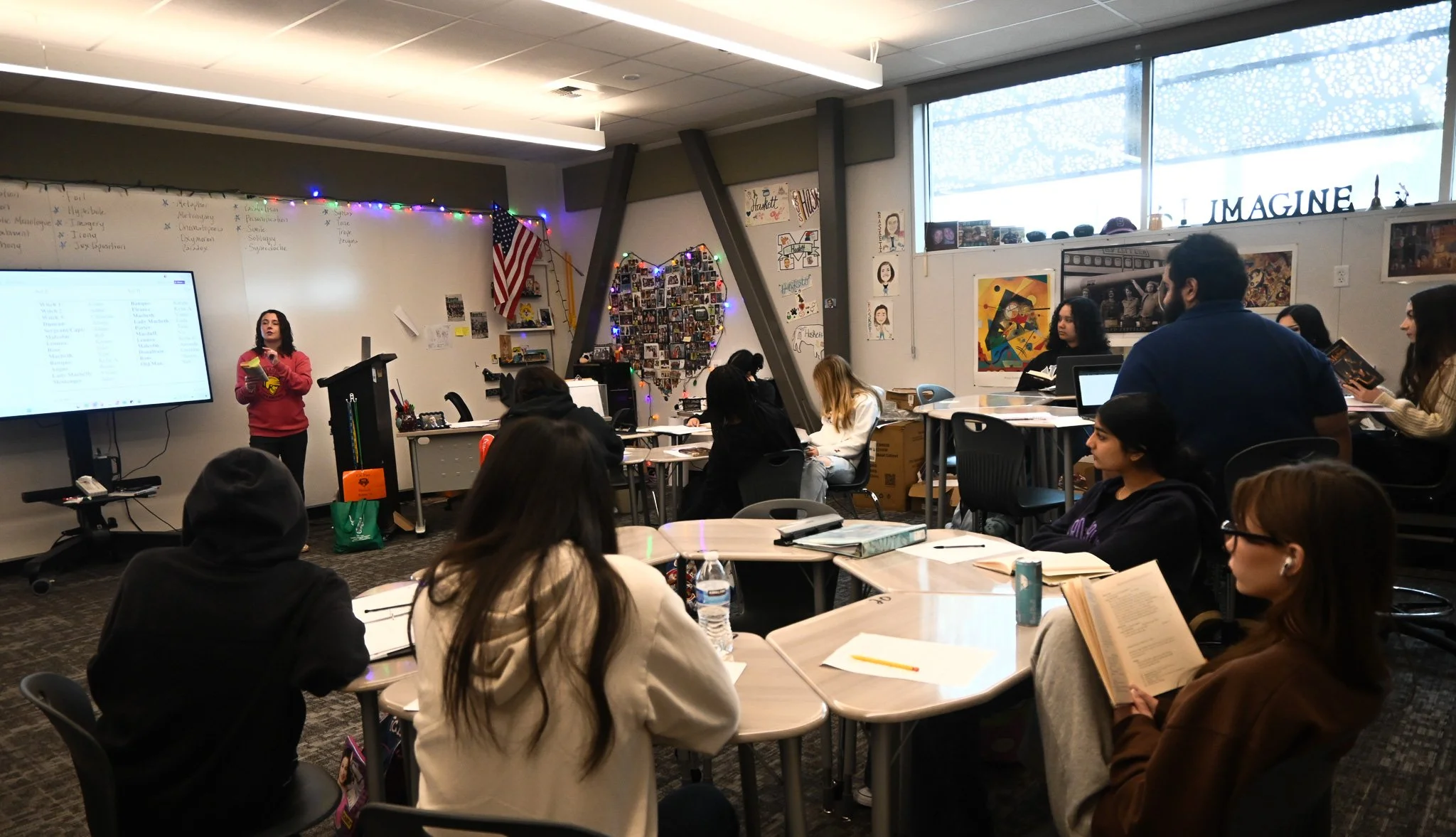
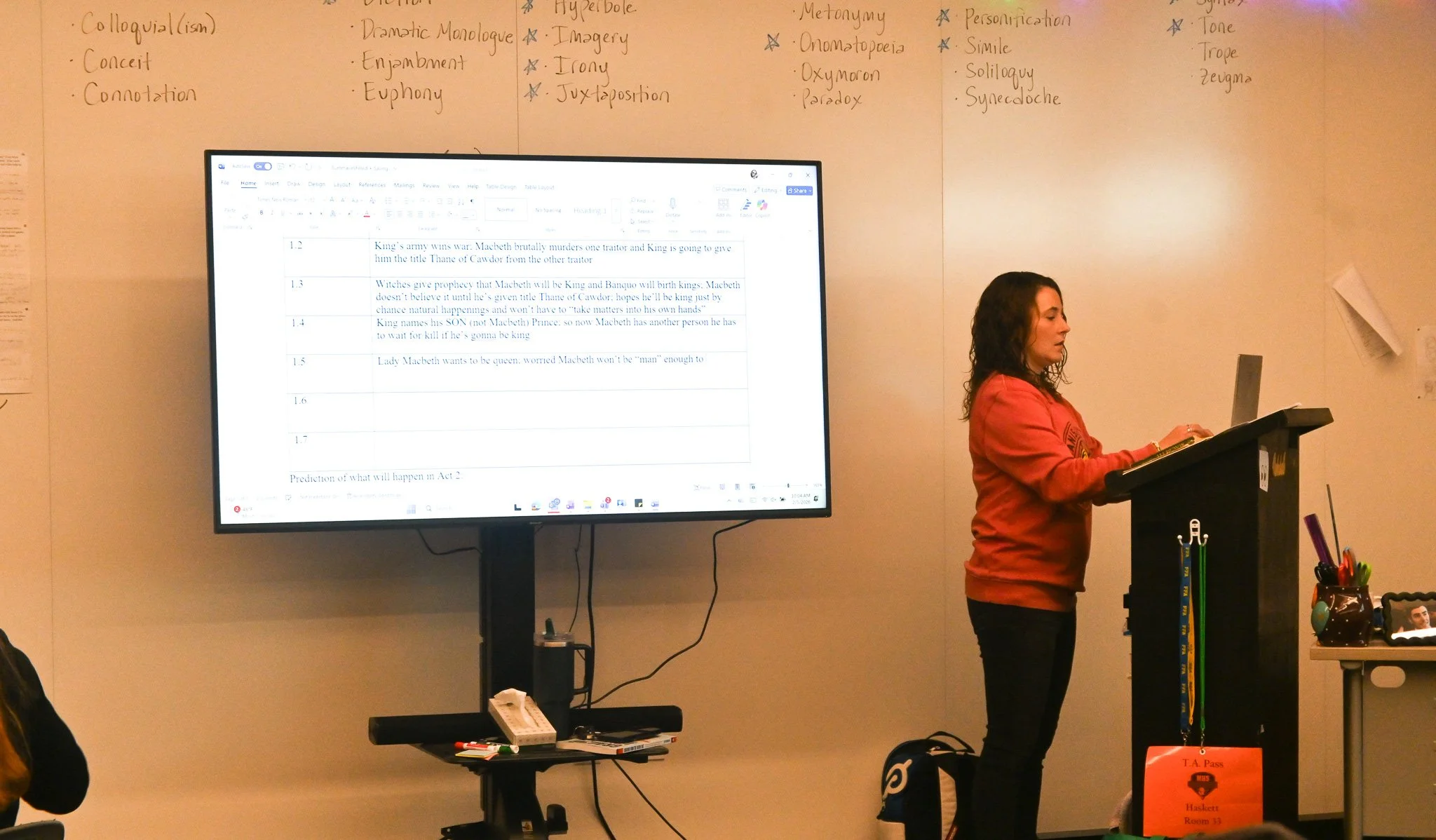
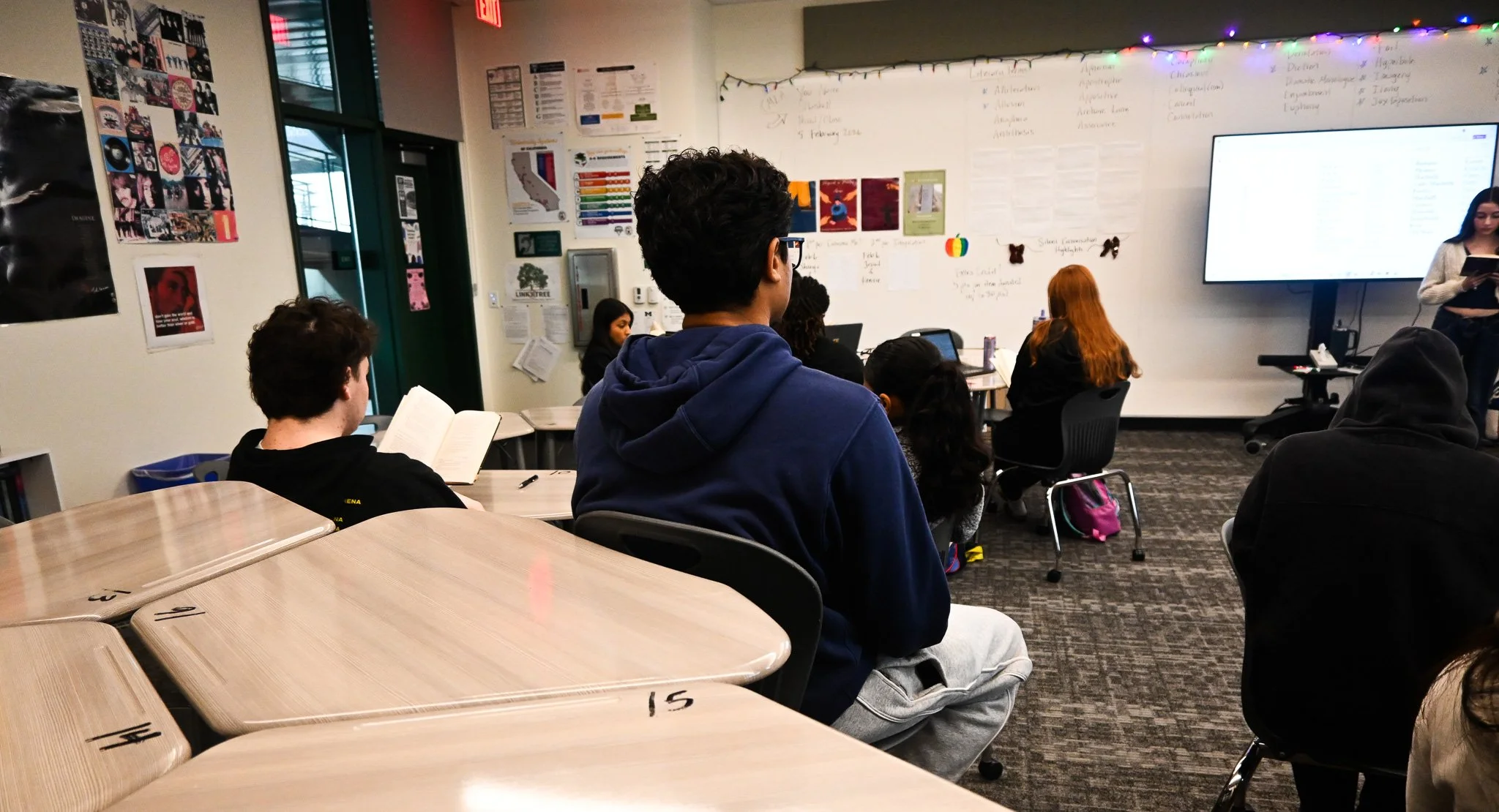
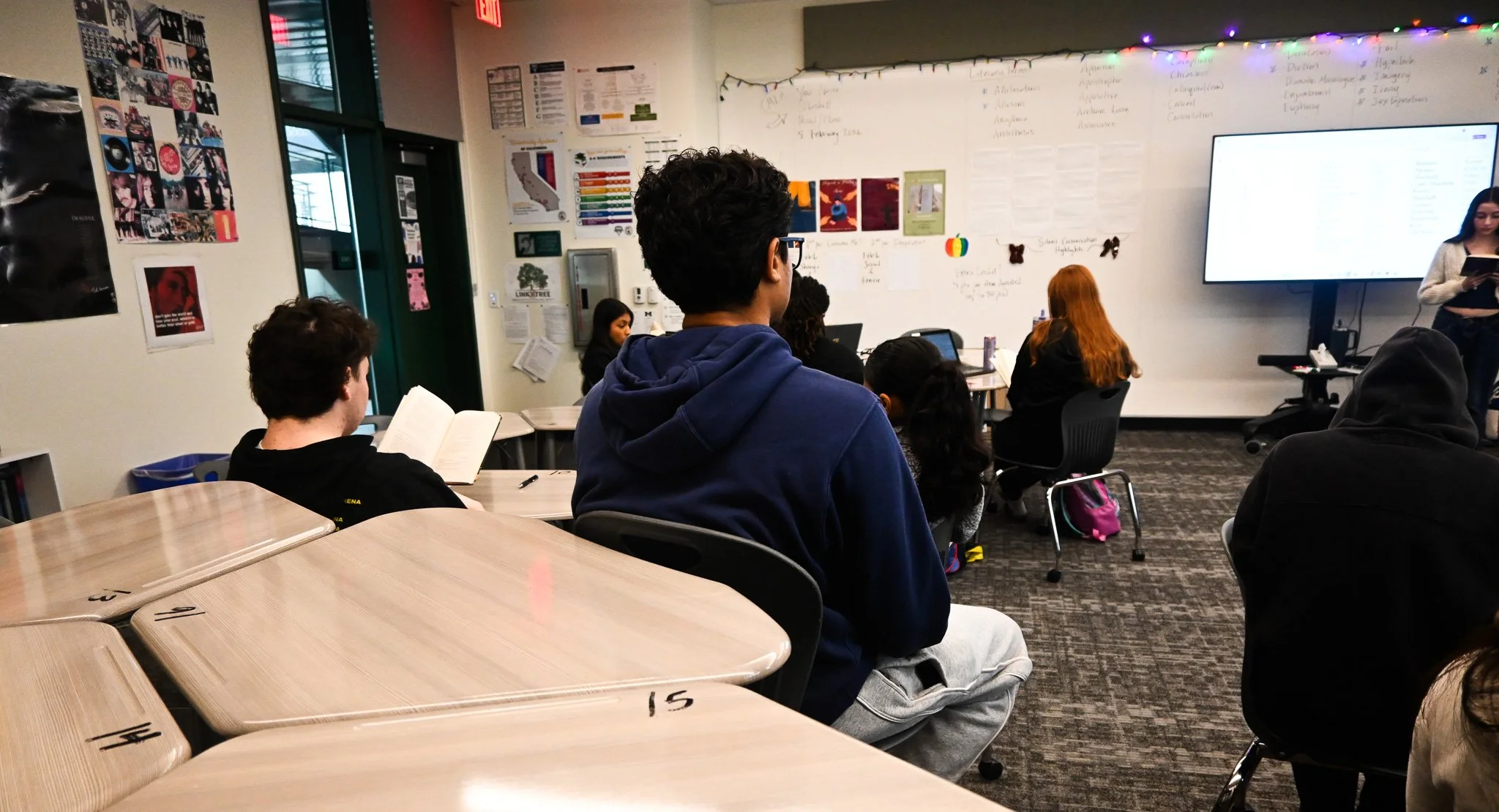
When you walk into Sarah Haskett’s classroom, there is just instantly feel-good energy.
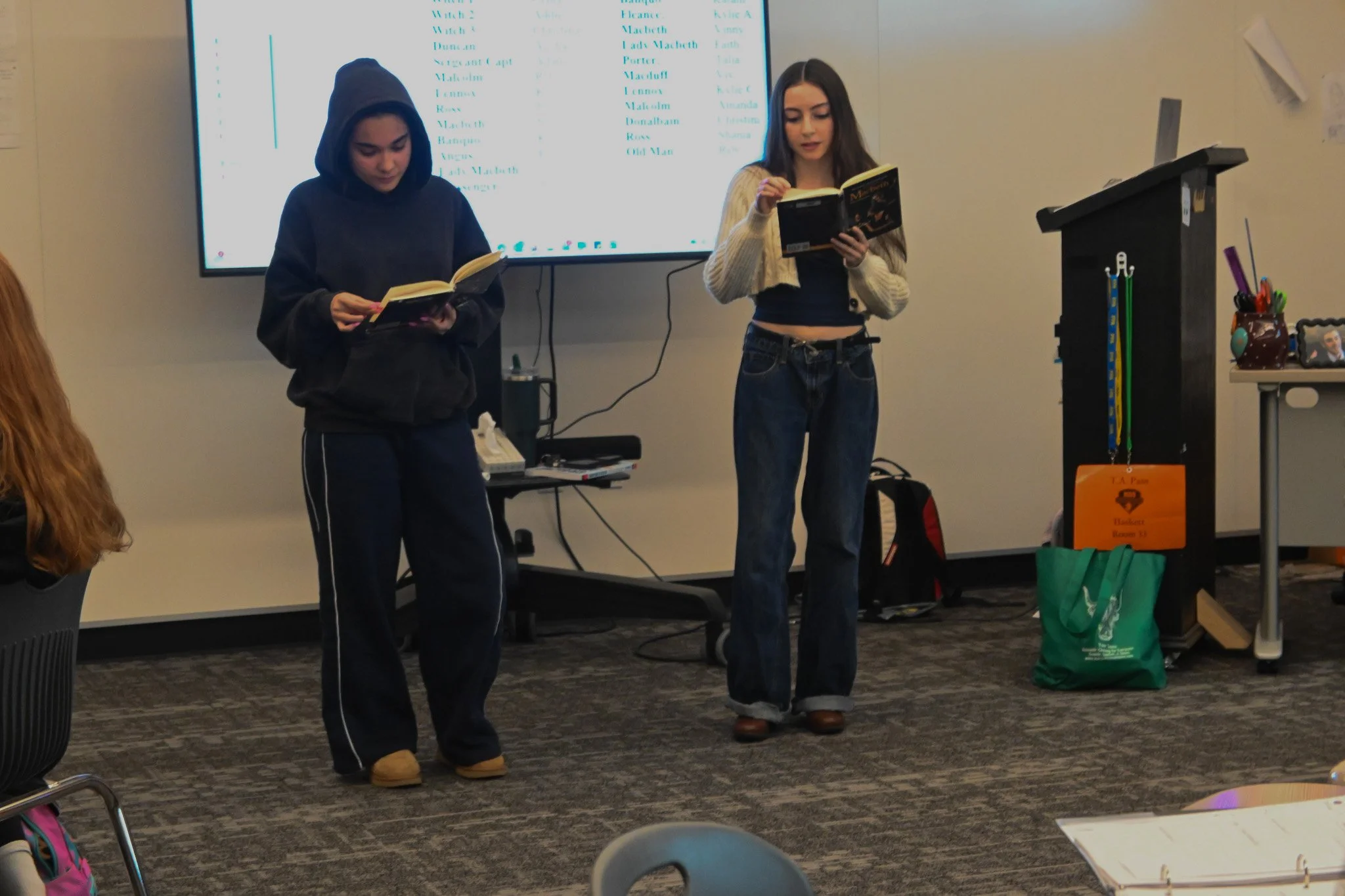
Haskett gives you some discussion questions to answer to get a conversation going in class with your peers.
“I just believe in the representation of everybody,” she said.
One of the beloved teachers at Manteca High School, Haskett, who received her Master’s in teaching social justice, has a passion for teaching future young women about the history of women who have discovered important things. Along the way, students voice their opinions on the questions with no negativity whatsoever. Students enjoy their discussions even when they may not agree.
“What made the class so special is that it was just a good environment in general, like no bad energy you know,” junior Angelica Betorina Diaz said. “I learned a lot from Mrs. Haskett like strong women I never heard before that discovered things before women we were taught about in elementary school.”
Haskett always has a smile on her face when each of her students walks into the classroom. Those who take her classes often fall in love with her teaching style and warm heart.
The Tower sat down with Sarah Haskett to discuss how her interest in Women’s Studies came to light, representation in women, family life, and dreams.
The Tower: What made you want to pursue teaching women’s studies?
Sarah Haskett: So I got my master’s in teaching social justice in 2015. And I just recognized that there was lack of representation, especially for women in the curriculum, and just wanted to make sure that there was a place for them. So, like because there’s only a certain amount of time that you could teach about things, that like we want to make sure that like we want to make sure that they are included.
TT: What about women’s studies made you so interested?
SH: I just believe in the representation of everybody, and our world’s climate and historical textbooks and historical textbooks, are very often, they slant towards being male heavy, white heavy, and straight heavy, and straight heavy, and so that's why i make the class not just about women, but like people of color, LGBTQ community. I just want to highlight the disenfranchise groups.
TT: Who is your role model?
SH: I think besides my mom, who was an English teacher as well, my college professor Mahoney was my role model.
TT: What is your favorite thing about teaching women’s studies.
SH: Oh man, I love, the discussions that we have. I think that’s the coolest part is just hearing people share or learn something, learn from each other. But like, I love when we would just have you know, a 20- or 30-minute conversation about the event of the week or, you know, the songs or whatever. I just think that the class climate that we get in there when you get a really good class that’s my favorite part about it.
TT: Do you feel like you have accomplished your dreams?
SH: Um, there are many dreams I have accomplished. I’m still accomplishing some. You know, I want to be a good teacher. I want to make sure that people are still being heard. There are lots that I have accomplished and always chasing more.
TT: What are the most challenging aspects of teaching?
SH: Teaching as a whole, making sure that the students are engaged and like hoping that they can see the relevancy of what we’re talking about to their lives. Like, why do they need to know it? Why should they care about the things that we’re talking about in class? And then, you know, making sure that they’re learning to be respectful to them, being respectful of their time. I know students are balancing a lot with their lives and so I don’t want to overwhelm them, but I also want them to learn and, you know, have some rigor in the class. So, yeah, it's just finding the right balance, but you know, I want to make sure that people are enjoying my class.
TT: Can you describe your own personal teaching responsibilities?
SH: Creating the curriculum, making sure the curriculum is understandable, making sure its relatable, interesting, getting assignments that will actually teach the skills that they want to do, grading those assignments, talking to the students, talking to the parents, talking with other teachers. So it's just a lot but there is nothing I would rather do.
TT: How do you build relationships with your students?
SH: I try to get to know him as much as possible. So, like I did the questionnaire at the beginning. We’ll do depend on the class, like we’ll do different warm-ups or different questions. I want to talk to each student basically every single day. Even if it’s just like a hey, I want every student to like to know. I see you there, like you matter. You’re in my class. I care about you. I just try to get to know what you're interested in. Yeah, I just care.