
By Sofia Bravo
The Tower
For many teenagers getting a driver's license is an exciting step toward independence. It allows them to go places without always having to rely on their parents. However driving also comes with a lot of responsibility. This brings up the question, Should teenagers be allowed to drive at a young age?
Teenagers are still learning how to handle different situations on the road. Distracted driving, speeding, and not having enough experience can make driving dangerous for new drivers. Even though having a license gives teens more freedom, it also means they have to be responsible for their own safety and the safety of others.
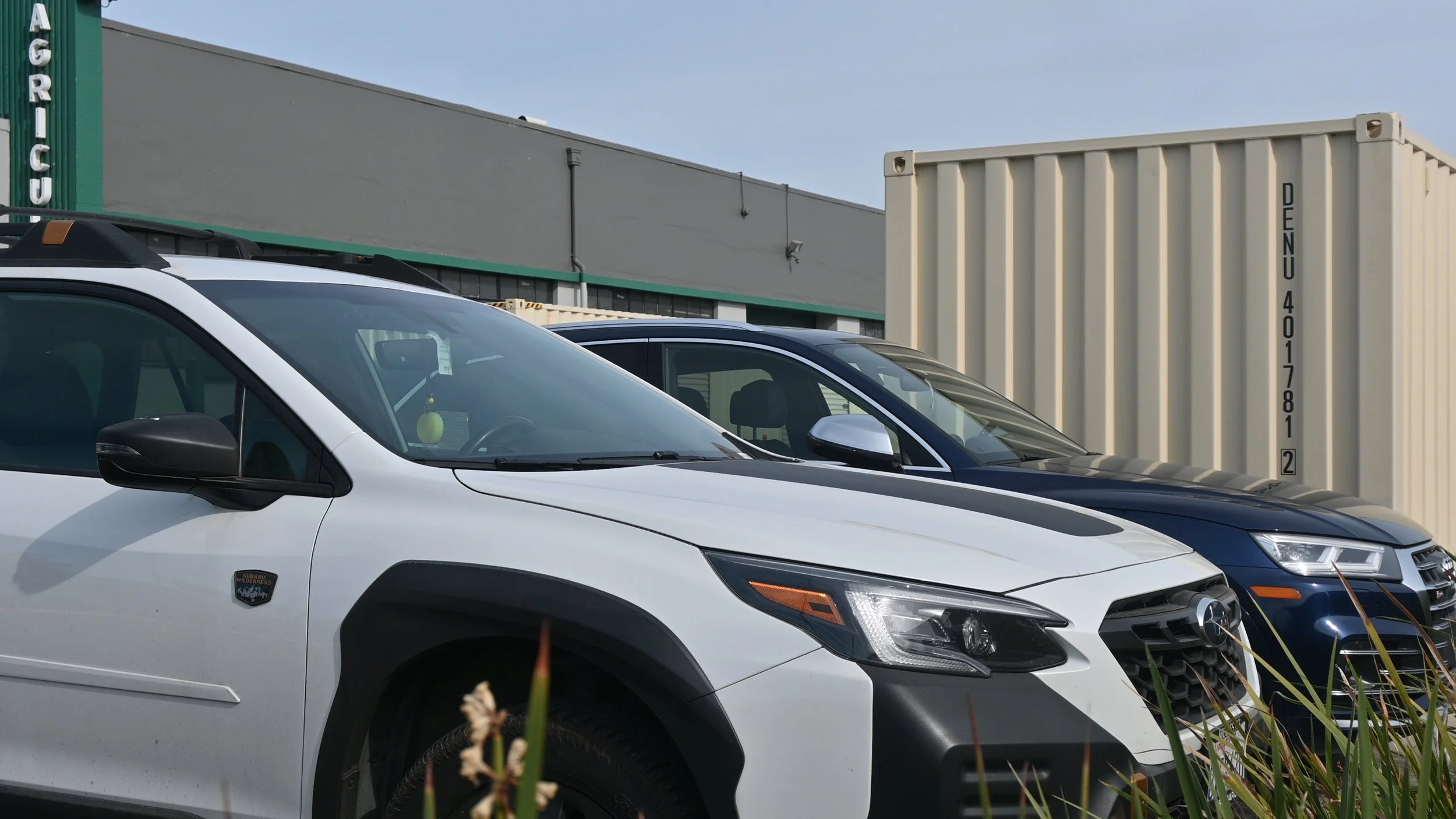
Teenagers are just starting to get their licenses (Richard Cardenas/The Tower)
"I think they should be able to drive. I think it prepares them for the world, and I also think that it teaches them responsibility," Jamie said.
Jamie also shared concerns about having friends in the car, explaining that passengers can distract teenage drivers.
"I think that it should be 18 and over to have friends in the car. I think it's distracting. Even as an experienced driver, there are moments on the road that are unpredictable and that you cannot help. I think having people in the car could make you less aware," another student said.
Teen drivers have less experience than older drivers, which can make it harder for them to react to unexpected situations. Staying focused, following traffic rules, and making safe choices are all important parts of becoming a good driver.
Before teenagers can drive on their own they must complete a few important steps to get their license. Getting a license may seem like a long process but drivers education helps teens learn the rules of the road and understand how to drive safely.
In California teenagers can start driver's education at age 15 and a half. After finishing the course they can apply for a learner's permit at the DMV. Once they get their permit, they can start completing there 6 hours with an adult.
Wheels are revving with determination this winter (Richard Cardenas/The Tower)
However, learning about driving online is different from actually being on the road. Teenagers may learn the rules but real driving can bring unexpected situations, such as busy streets, bad weather, and other drivers making mistakes. This makes people wonder if driver's education really prepares teens for what they will experience on the road.
“No I don't think the driving course prepares teens for the real world, it just teaches basics and not what to do in case of emergency's” said Logan Yagi
After getting their permit teenagers must have it for at least six months complete six hours of professional driving lessons, and get 50 hours of supervised driving practice including 10 hours at night. After completing these steps they can take their driving test at the DMV. If they pass they can earn their official license.
Even though driver's education teaches teens important rules and safety skills becoming a good driver takes practice and experience. Passing the driving test is only the beginning. Teenagers also need to stay focused, make smart choices, and be prepared for unexpected situations every time they drive.
“I think the drivers course teaches teens how to drive, but I think they could teach real life situations like what to do if you get in a crash and other help stuff.” said Aidyn Ruiz.