
By THOMAS O’HARE
The Tower
Every year on October 31, people dress up in costumes, carve pumpkins, and go trick-or-treating. Halloween is one of the most popular holidays for kids and adults. Most people think of candy and scary decorations when they hear the word Halloween, but the holiday actually has a long history that goes back thousands of years.
Halloween started with an ancient Celtic festival called Samhain. The Celts lived in parts of Europe and celebrated Samhain at the end of the harvest season. They believed that on this night, the line between the living and the dead became thinner, and spirits could come back to the world. People would light bonfires and sometimes wear disguises because they believed it could help protect them from spirits.
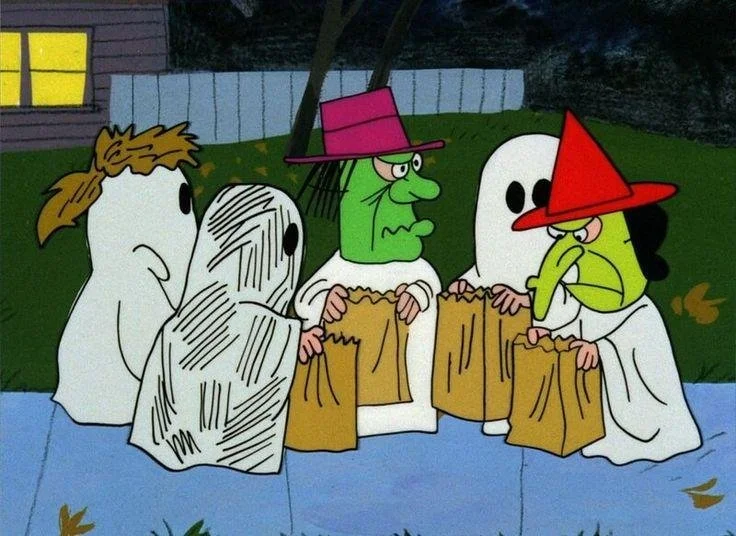
When Halloween Was All Tricks and No Treats (Smithsonian Magazine)
As time passed, Halloween started to change because of Christianity. November 1 became All Saints’ Day, which honored saints, and the night before became known as All Hallows’ Eve. Eventually, the name was shortened to Halloween. Different traditions mixed together over time, helping create the holiday we know today.
Halloween also changed when immigrants from Europe moved to America. During the 1800s, many Irish immigrants brought their Halloween traditions with them. One tradition was carving vegetables into lanterns. In Ireland, people often used turnips, but when the tradition came to America, pumpkins became more popular because they were bigger and easier to carve. This helped create the jack-o’-lantern, which is still one of the main symbols of Halloween today.
Another big part of Halloween is trick-or-treating. This tradition became popular in the United States during the 1930s and grew even more after World War II. Children began dressing up and going door to door asking for candy. Over time, trick-or-treating became a tradition for families and neighborhoods across the country.
Today, Halloween is celebrated in many different ways. Some people go trick-or-treating, while others attend Halloween parties, visit haunted houses, or watch scary movies. Stores also sell costumes, candy, and decorations weeks before the holiday. Social media has made Halloween even bigger because people can share their costumes and decorations with others online.
Even though Halloween is different from how it was celebrated thousands of years ago, some of its original ideas are still part of the holiday. Spooky costumes, ghosts, and other scary decorations connect to the old beliefs about spirits and the supernatural.